


The Japan International Cooperation Agency began dispatching volunteers through its Japan Overseas Cooperation Volunteers initiative in 1965. It has been 60 years since the first 29 volunteers were sent to Laos, Cambodia, Malaysia, the Philippines and Kenya. To date, over 58,000 volunteers have been dispatched to 99 countries. The 60th anniversary commemorative ceremony was held on Nov. 13 to celebrate the expansion of JOCV’s activities to date.
Africa has received the most JICA volunteers, with over 16,500, followed by Asia with more than 16,300 and Latin America with over 15,300. The country receiving the highest cumulative number of volunteers is Malawi in Africa, with numbers soon to exceed 2,000, followed by Paraguay, Kenya, Tanzania and the Philippines.
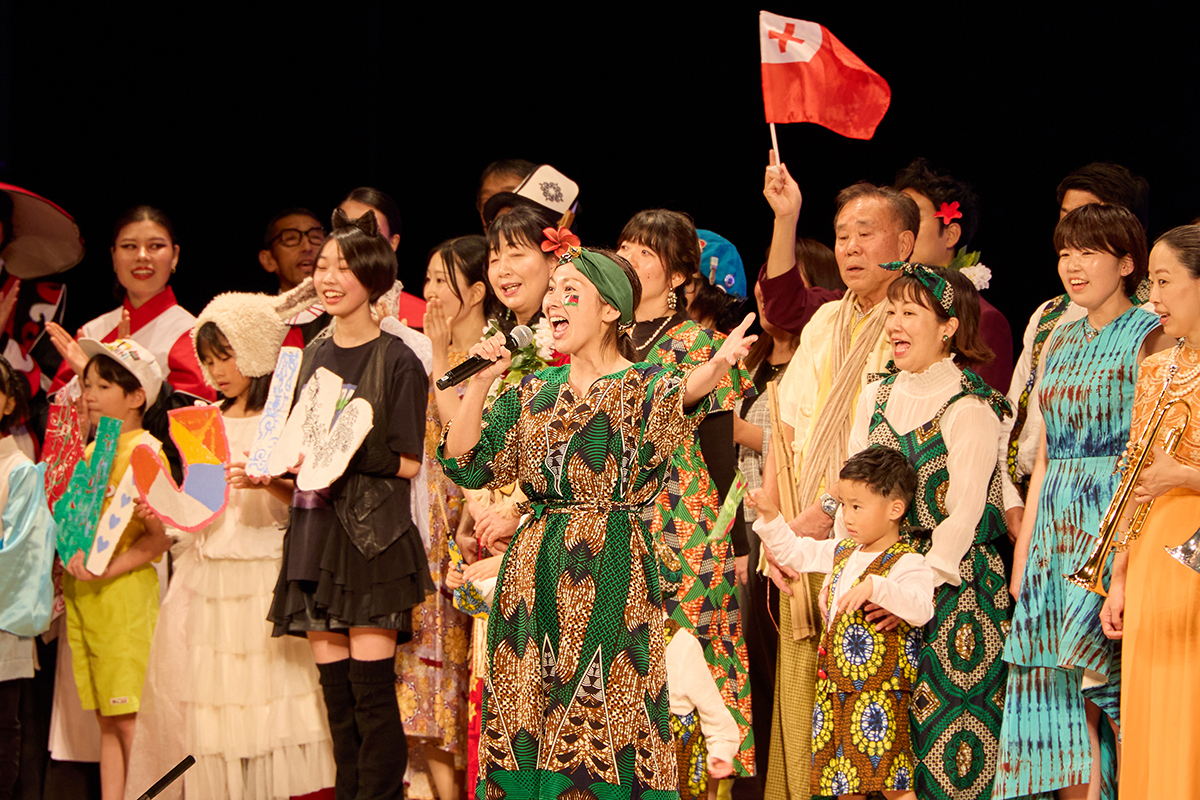
While most volunteers were men in the initiative’s early days — and men still account for 55% of the cumulative total — women make up over 60% of the current volunteer corps.
The types of assignments have also changed over time. While agriculture was one of the most common fields in the past, nearly half of current assignments are in human resource development fields such as primary education, youth activities and sports. The number of volunteers focused on community development and revitalization has also increased.
Connections shape the future
Chimoto Fukagawa served as a JICA volunteer in the education sector, teaching mathematics at Tonga High School in Tonga for two years from 1987. Her interest in the JOCV program was sparked by a trip to India and Nepal during her university days. She was shocked to see people suffering from poverty and disease, but also deeply moved by the sight of Japanese volunteers doing charity work. Fukagawa wondered if she, too, could do something for the world.
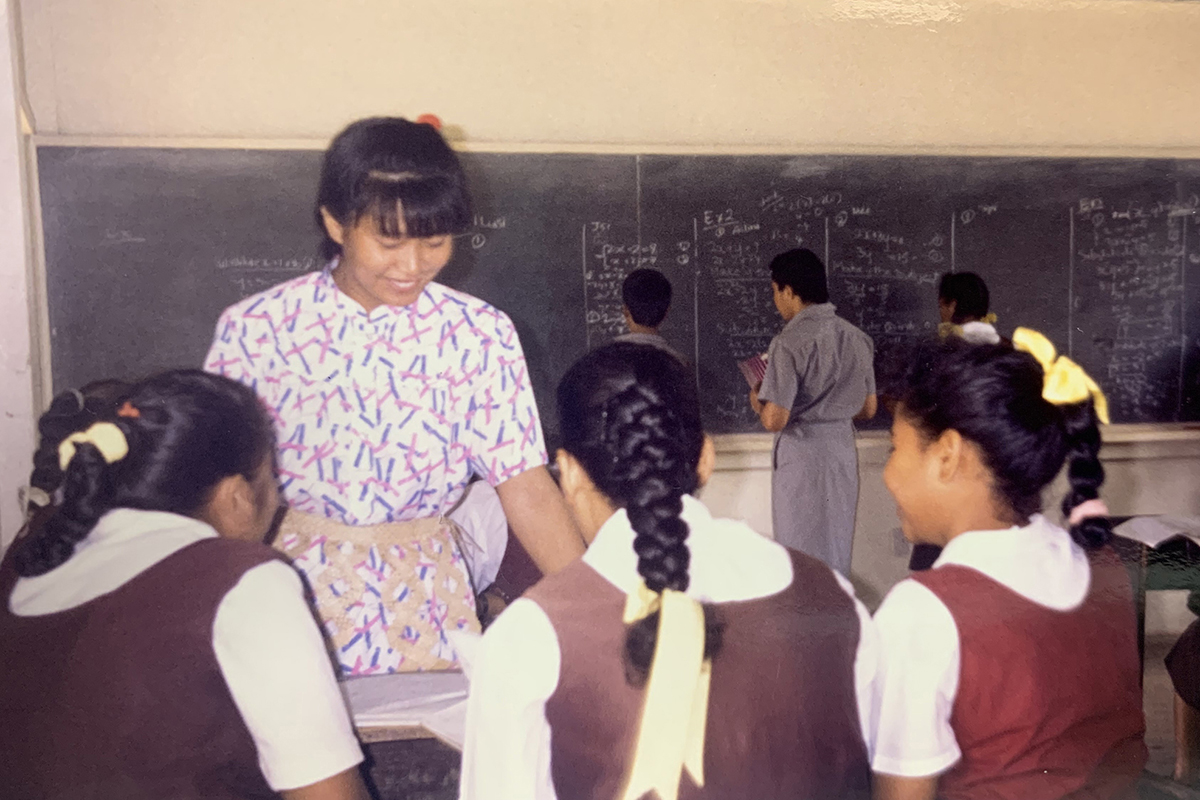
Later, in Nepal, she met a high school student struggling with a math assignment. When she taught him how to solve the problem, he was genuinely delighted. “That experience made me think that maybe I could contribute as a math teacher,” she said.
After graduating from university, Fukagawa worked as a high school math teacher for three years. With the understanding and support of her school’s principal and superintendent, she became the first JICA volunteer from Saga who was sent abroad while remaining employed in Japan by taking a leave of absence.
Her teaching life at Tonga High School was filled with student interactions that inspired her, though she sometimes felt bewildered by cultural differences. The laid back, friendly attitude of the people surprised her.
“I remember an impromptu graduation picnic I was suddenly invited to even though I had not taught the graduating class, and the surprise farewell party my students threw for me just before my return home,” she said. “I couldn’t stop crying when I saw the messages filling the blackboard and the homemade treats everyone had brought to share.”
Upon returning to Japan with these heartwarming memories, Fukagawa resumed her teaching career. While she maintained a connection to international cooperation activities through the nonprofit Terra People Association in Saga, her busy schedule made it difficult for many years to keep in touch with the people she had met in Tonga. Then, in January 2022, she was shaken by the news of a massive undersea volcanic eruption and tsunami in Tonga.
Through the Terra People Association, Fukagawa launched a fundraising campaign, and contacted the Embassy of Tonga in Japan to deliver the collected relief funds. Despite the embassy being closed due to the COVID-19 pandemic, she managed to secure a meeting with the ambassador. When she arrived, Ambassador Tevita Suka Mangisi, one of Fukagawa’s former students who had organized her farewell party, was waiting for her.
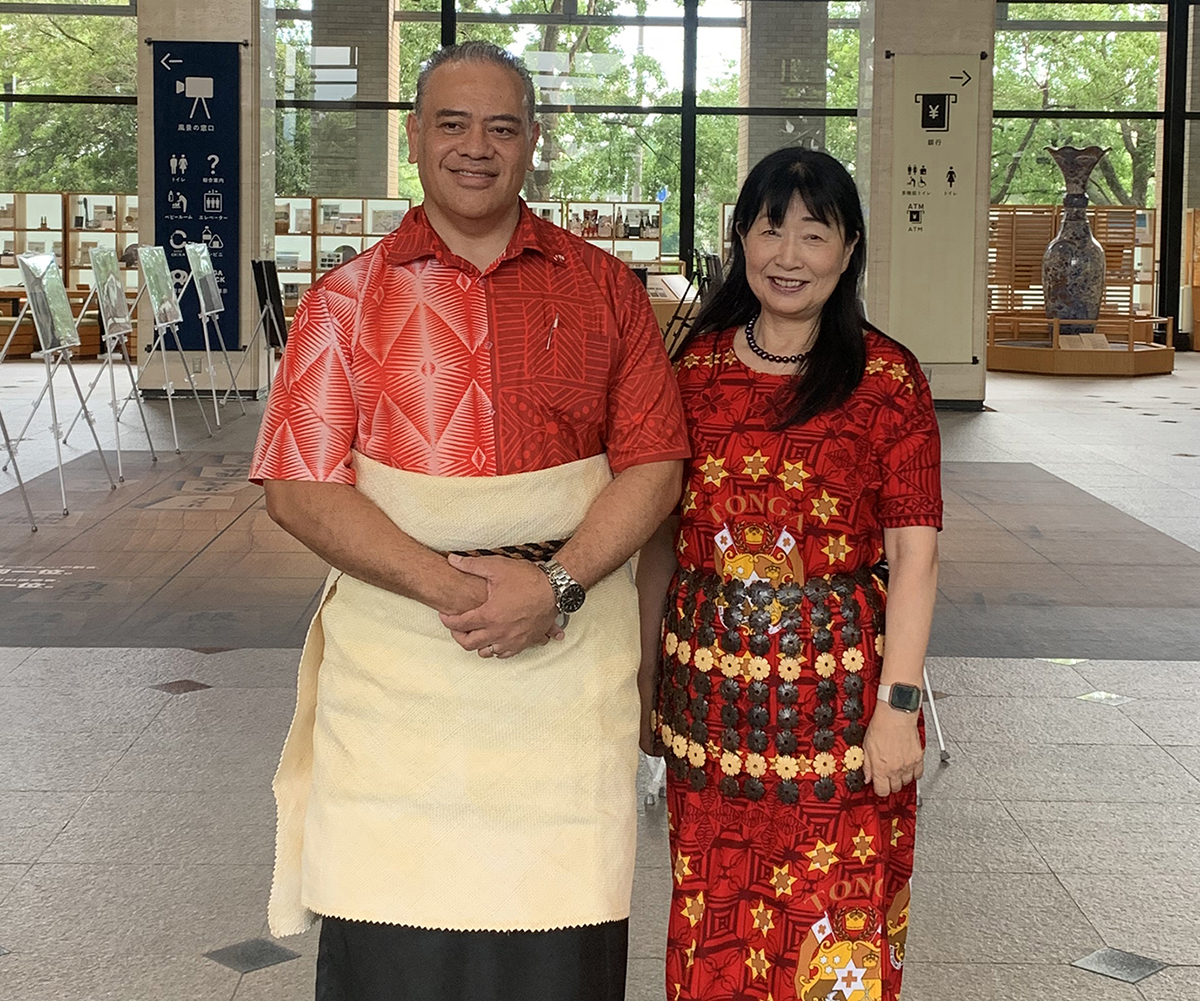
It was a miraculous reunion after 33 years, and memories came flooding back the moment they saw each other. Mangisi, who has been the ambassador of Tonga to Japan since 2020, said that he had recognized the name on the meeting request and thought it might be his former teacher.
Fukagawa said, “I was so surprised that the formal greeting I had prepared vanished from my mind.” The two rejoiced at their reunion, which also reignited Fukagawa’s active involvement with Tonga.
The Terra People Association established a scholarship program to help high school students affected by the disaster with their tuition. Fukagawa is also involved in an effort to provide disaster preparedness education at Tonga High School, which has been funded by JICA. Taking Tonga’s vulnerability to tsunami damage and the regional environment into account based on input from the local community, evacuation drills have been planned and implemented.
“There was a major earthquake and tsunami again this year, but we heard from the school principal that the students evacuated exactly as trained. This made me feel it was all worth it,” she said.
Furthermore, Saga served as Tonga’s host town for the Osaka Expo. As part of the Expo International Exchange Program, six high school students and five adults from Tonga visited Japan in August to participate in a disaster preparedness workshop.
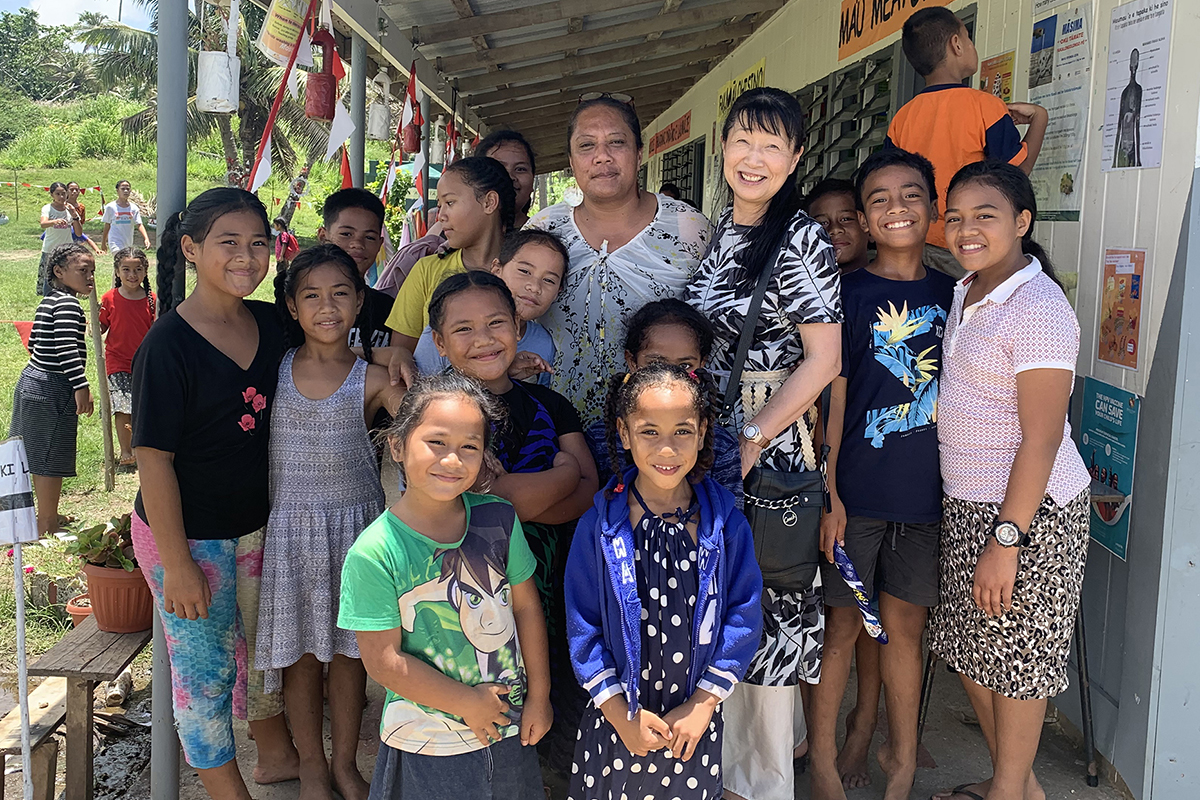
Fukagawa expressed her desire to continue to treasure “people-to-people connections” between Tonga and Japan and work with locals. Mangisi also referred to the “genuine connections” that people of the two countries have built through the JOCV program in his message recently published in JICA Magazine.
He said, “Tonga looks forward to further solidifying the enduring and close relationship it shares with Japan and its people as friends and partners based on kizuna (bonds), as we continue to address common challenges and pursue shared aspirations.”
Developing businesses
Many former volunteers maintain ties with their host countries even after their JOCV service ends, and many, like Fukagawa, even form new relationships. There are also people who leverage their experience in the JOCV program to start businesses aimed at solving global challenges.
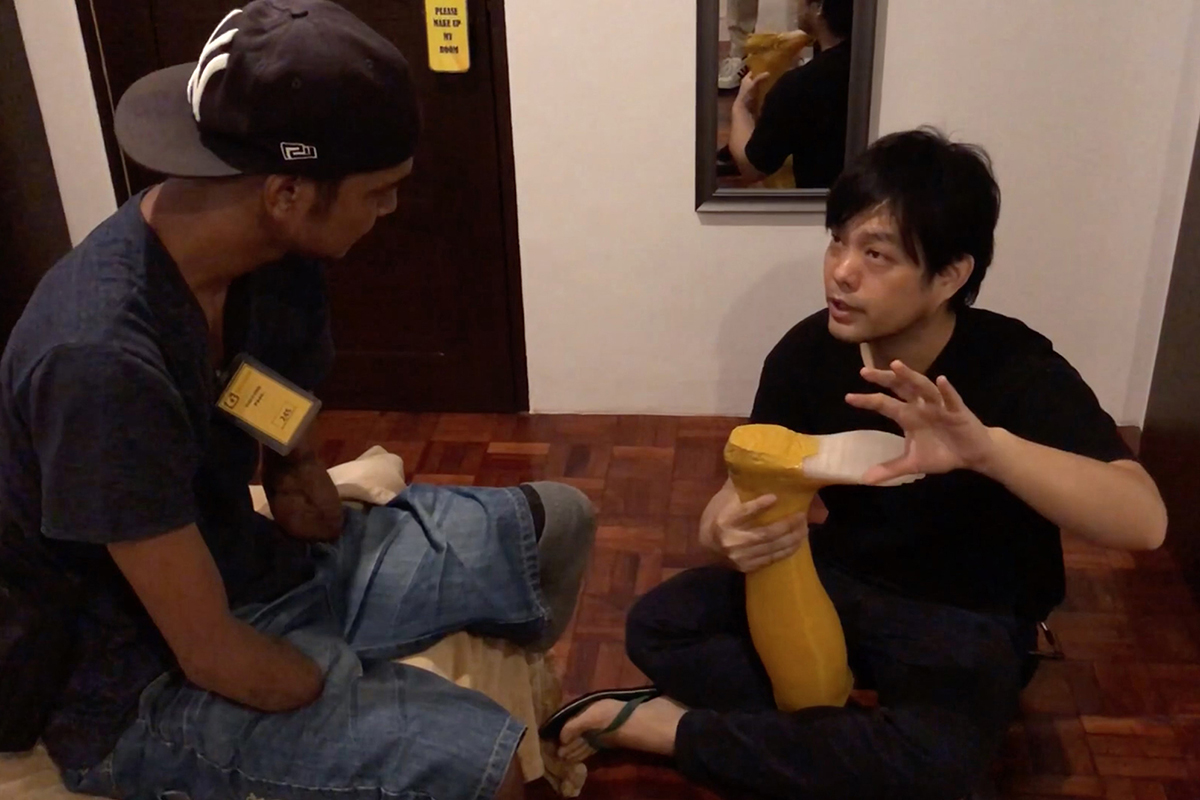
For instance, Yutaka Tokushima, a former JICA volunteer in the Philippines, encountered diabetic gangrene patients who could not afford prosthetics. This experience became a major motivation for him to found Instalimb Inc., a manufacturer of affordable prosthetic limbs using 3D printing technology, after he returned to Japan.
Aya Tsuboi, who founded Sunda, a company that developed a prepaid water fee collection system, spent a year in Uganda as a JICA volunteer. Her interest in JOCV was sparked by a problem-solving program at the company she worked for at the time, where she learned about ways to solve social issues in developing countries through business.
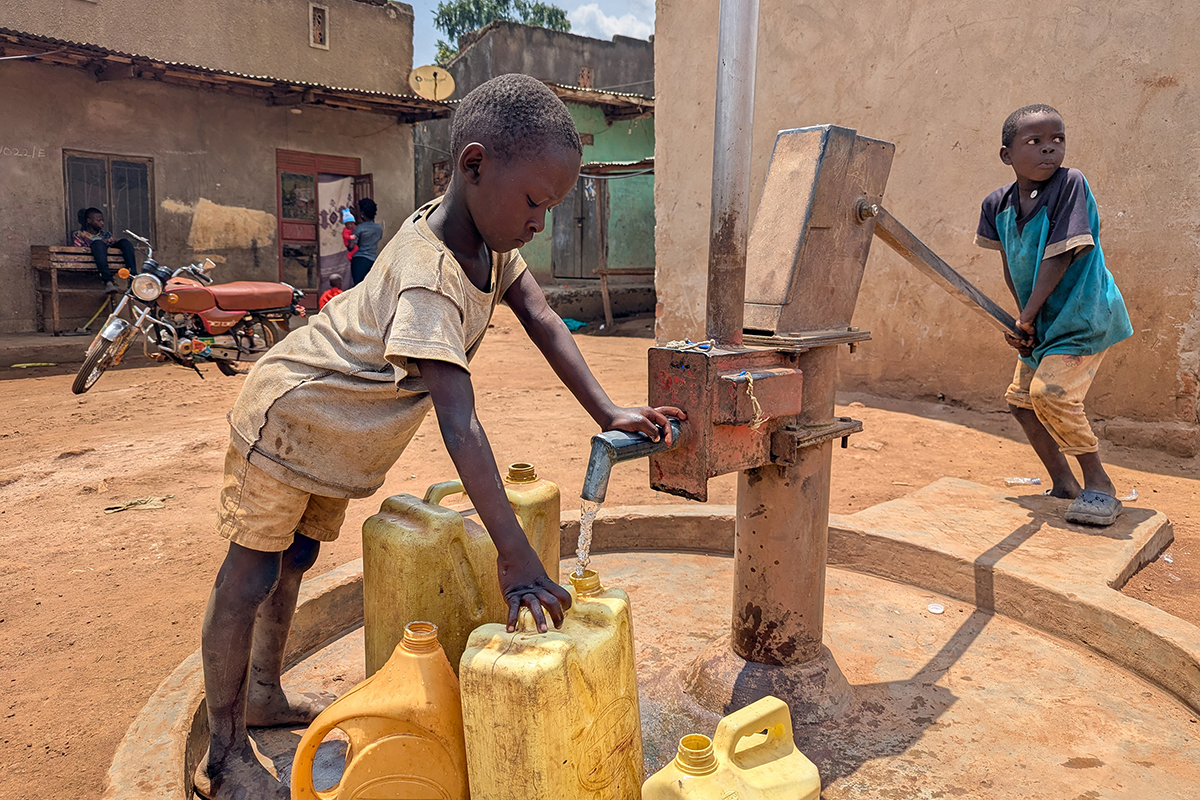
She then applied for the JOCV program through a partnership between her company and JICA and was assigned to Uganda to help with the country’s water issues, specifically the challenges of collecting the fees needed to maintain wells.
“Honestly, when I first heard about it, I thought, ‘Collecting fees can’t be that hard.’ So, I decided to experience the work myself to understand what made it difficult,” Tsuboi said.
She visited one house after another under the blazing sun. Even when residents were reluctant or tried to wave her off, she continued to explain why it was necessary to collect fees. She learned firsthand how physically and mentally demanding this work was. Through interviews with residents and local officials, she learned that some people worried that handling cash was prone to fraud. Others wondered if repairs would actually be performed. Tsuboi felt it was necessary to devise a fundamentally different fee collection system.
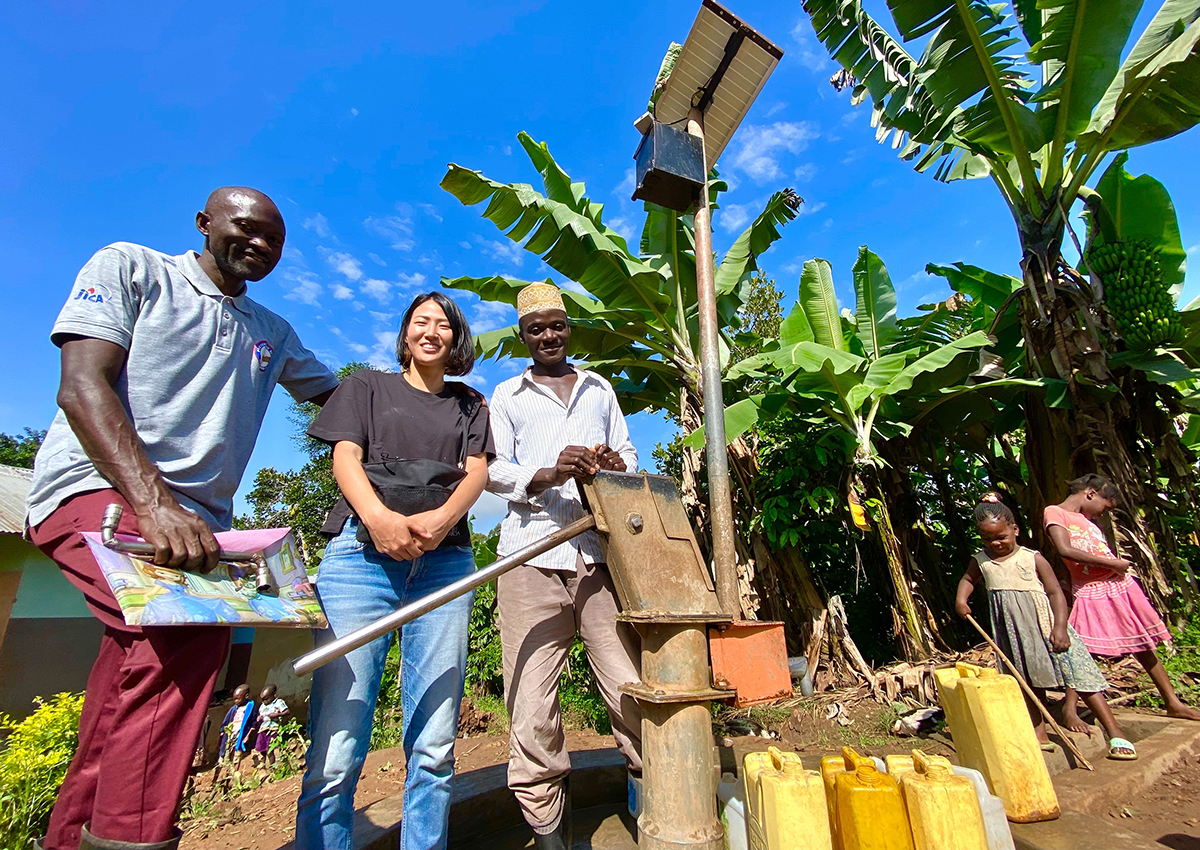
This led to the concept of a prepaid, usage-based fee system, where a user simply taps a tag on equipment at the well, and the usage fee is automatically deducted from a pre-charged balance.
Sunda incorporates various functions tailored to the local environment, such as solar panels for electricity to ensure operation in areas without reliable power, a valve that minimizes power consumption, a communication system designed to work even within low-speed networks and a maintenance-friendly design.
After completing her term in Uganda, Tsuboi returned to her previous workplace. However, she felt driven to continue and expand this venture, and decided to start her own business. Winning the Grand Prize at the 2021 Japan Entrepreneur Award for her Sunda business plan provided a significant boost.
Currently, about 300 Sunda units are in operation in Uganda. The company aims to expand across Africa, with plans already underway to install units in neighboring Rwanda. Sunda is designed to fit the common hand pumps used across the continent, which makes mass production possible. Furthermore, Sunda units are now being developed and installed not only for wells, but also for public faucets. “Our long-term goal is to create a society where well maintenance is something people can take for granted across all of Africa,” Tsuboi said.
Area officials and residents have expressed their gratitude for the introduction of Sunda. Governments are not only freed from fee collection duties, they have also gained visibility into each water source’s operational status. They now have a secure source of funds for maintenance, enabling swift repairs whenever necessary.
“Some of them noted that they are free from the constant stream of phone calls requesting repairs,” Tsuboi said. The transparency and fairness of the system gave residents a sense of security, as well as the assurance that repairs would be properly carried out when needed.
All of this was possible because Tsuboi thoroughly discussed and collaborated with local people to understand what problems needed to be solved and why they had been so difficult to solve in the past.
Collaboration is key
This idea of “working with local people” is a core principle of Japan’s development cooperation policy, which is deeply ingrained in the JOCV program because it is a state-run initiative.
While many volunteer organizations around the world engage in international cooperation, according to JICA, few are operated directly by government agencies.
JICA Senior Vice President Hiroyuki Kobayashi commented in a recent JICA Magazine article: “When the organization was being established, various names were proposed, but the word ‘cooperation’ was chosen to emphasize the importance of always respecting the people we are working with and collaborating with them on equal footing. That spirit has been passed down to this day.”
Hironori Takebe, who served in Ghana from 1986, is a testament to the power of cooperation built on trust through one-on-one interactions. His legacy continues to be honored even after his death. To help increase a village’s income, he worked with the villagers on chicken farming and pineapple cultivation.
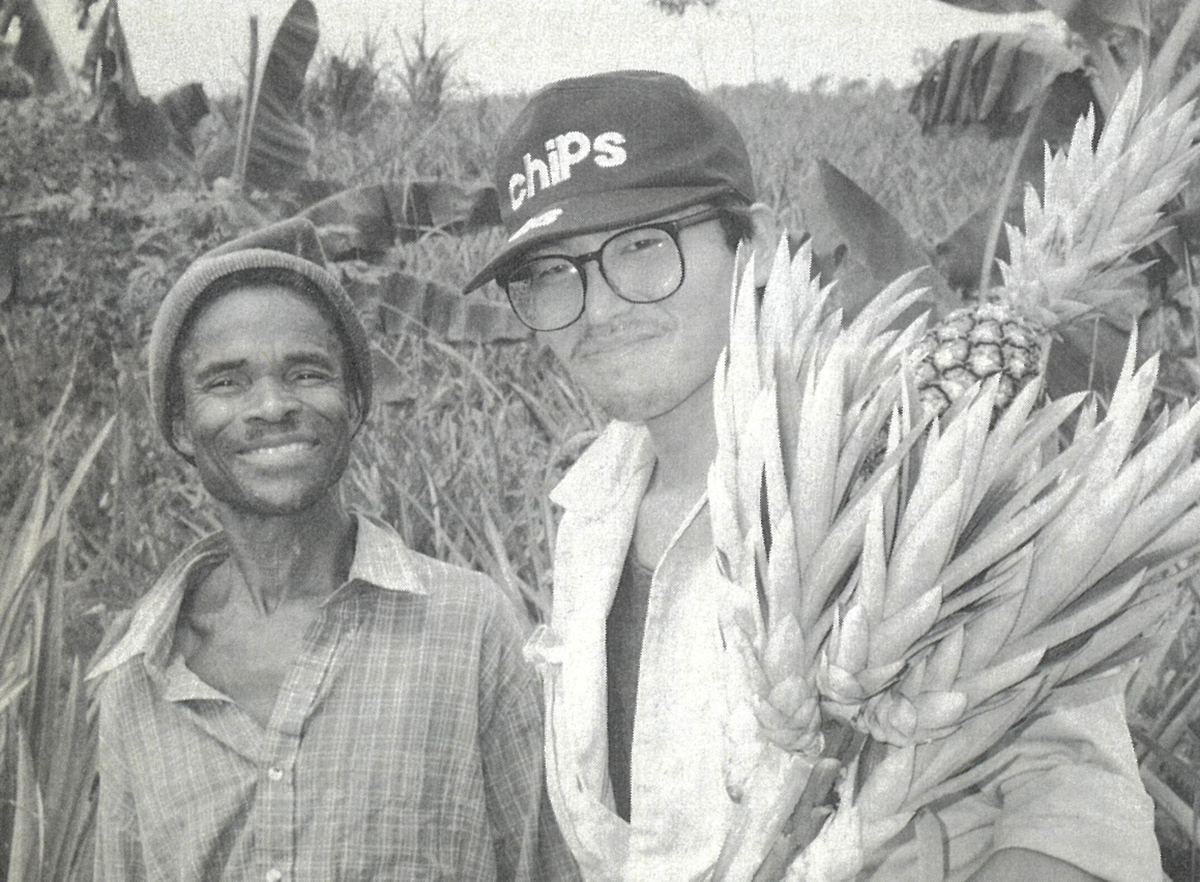
Tragically, he passed away midway through his term due to an accident. The villagers built a memorial park and a monument in his honor, and his story continues to be passed down through generations. The pineapple cultivation he dedicated himself to has become an established source of income for the village, with the fruit now being exported to Europe.
JOCV Secretariat Director General Takuya Otsuka expressed his gratitude to all the past and current volunteers who took the first step to join the program, as well as their families and employers in Japan for supporting them. “We also extend our gratitude to the host organizations, host families and local communities in each country that welcomed the volunteers,” he said.
He added that despite volunteers having to be withdrawn from their host countries in March 2020 due to the spread of COVID-19, those countries waited patiently for the volunteers to return.
He also thanked the communities in Komagane, Nagano Prefecture, and Nihonmatsu, Fukushima Prefecture, home to the JOCV program’s pre-deployment training facilities, as well as areas that host JICA’s Glocal Program — an initiative established after the pandemic to bring the expertise of JOCV to communities in Japan to connect global development with local revitalization.
“Moving forward, we will continue to advance this program to increase the number of partners who join us in tackling various global challenges, and to ensure that experiences gained abroad can also be brought back to Japan,” he said.


