


For those interested in East Asia’s ancient capitals, Nara cannot be missed. The city’s unique landscape is dotted with palace ruins and old wooden structures, and appears today much as it did during the Nara Period (710 to 794).
The region was registered as a UNESCO World Heritage Site in 1998 and boasts two more World Heritage Sites within its namesake prefecture.
Nara has vividly preserved the past in its natural scenery, temples, shrines and culture.
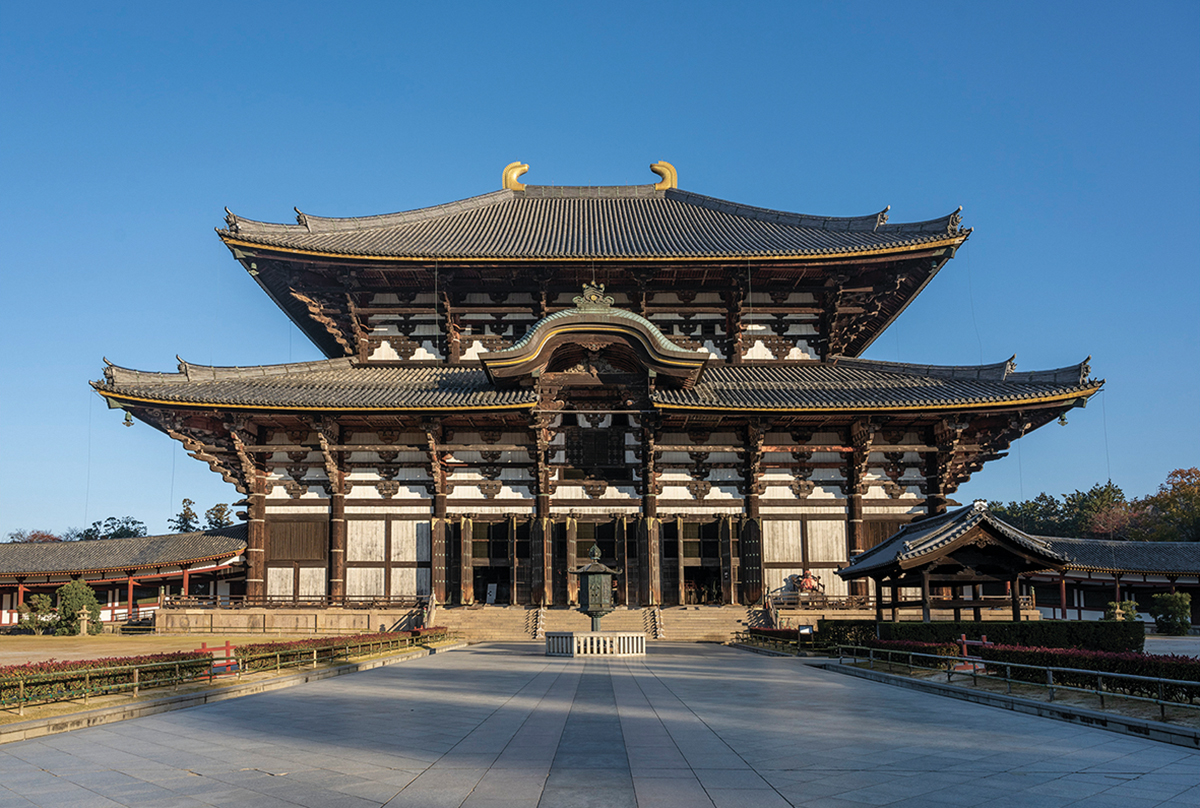
Todaiji Temple, cultural center and museum

Todaiji was built in the eighth century after the Emperor ordered the construction of state-sponsored temples across Japan. The temple and its colossal Great Buddha statue have played key roles in Japanese Buddhism while surviving numerous disasters.
The temple complex has been rebuilt several times and now represents multiple eras and styles.
The Todai-ji Museum showcases the temple’s history and art, including valuable Nara Period statues originally housed in its oldest structure.
Todaiji Temple (Kegon Sect)
Address: 406-1 Zoushicho, Nara
Tel: 0742-22-5511
URL:
Todaiji Cultural Center (Todai-ji Museum)
Address: 100 Suimoncho, Nara
Tel: 0742-20-5511
URL:
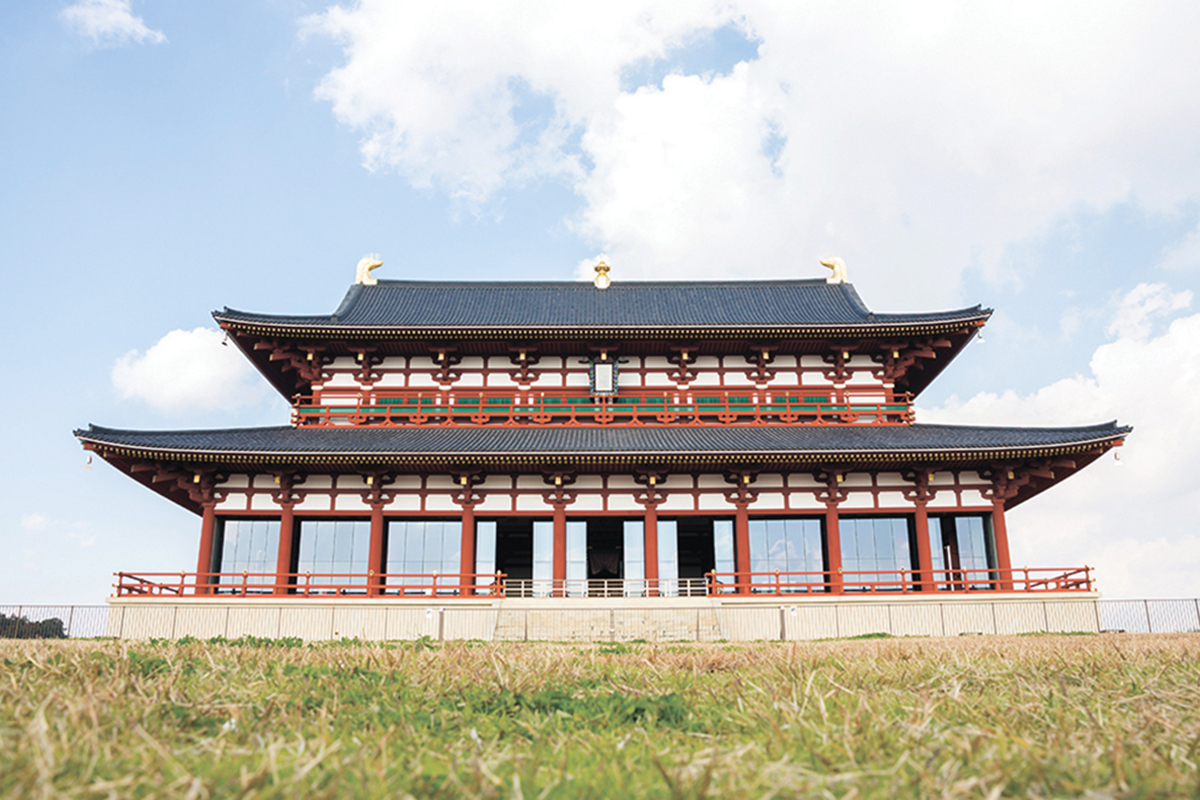
Nara Palace Site Historical Park
Heijo-kyo was Japan’s capital from 710 to the end of the eighth century. Built in a sprawling grid pattern around the imperial palace, the city was inhabited by around 100,000 people.
Excavations in the 19th century gradually revealed the ruins, and part of the site is now a park where visitors can explore its contours through the Excavation Site Exhibition Hall, Nara Palace Site Museum and reconstructions of the Suzaku Gate and Former Imperial Audience Hall.
Addresses: 4-6-1 Nijo-ojiminami, Nara; Sakicho, Nara
Tel: 0742-36-8780 (Nara Palace Site Management Center)
URL:
Opening hours: See website for details.
Admission: Free
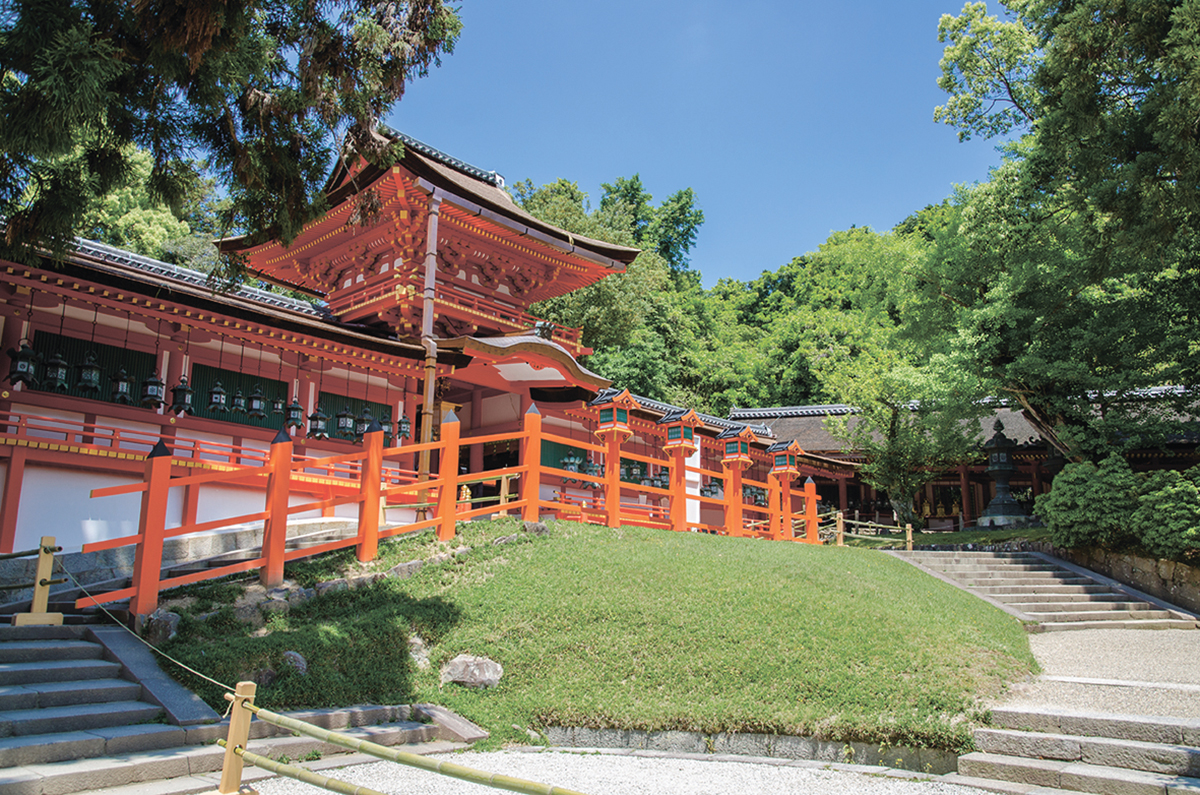
Kasuga Grand Shrine and museum
Kasuga Grand Shrine was built at the foot of Mount Mikasa in 768 and has been venerated by the imperial family and the public ever since.
The deer on the grounds are cherished as divine messengers, with the mountain behind considered sacred.
Since hunting and logging are forbidden, the area has become a Special Natural Monument called Mount Kasuga Primeval Forest.
The nearby museum exhibits treasures from the ninth to 12th centuries.
Address: 160 Kasuganocho, Nara
Tel: 0742-22-7788
URL:
Opening hours and admissions: See website for details.
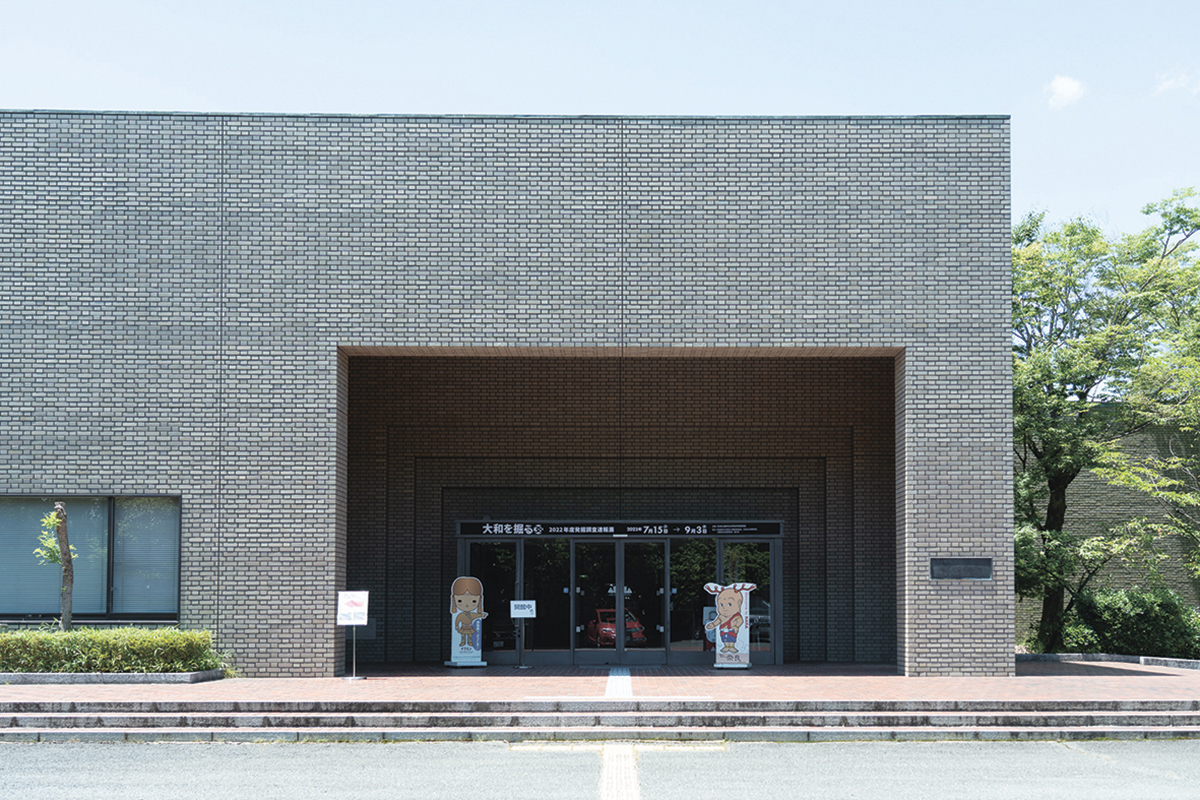
The Museum, Archaeological Institute of Kashihara, Nara Prefecture
The Archaeological Institute of Kashihara, Nara Prefecture has been researching buried cultural properties in Nara since 1938. These artifacts are featured at the museum’s “Archaeology of Yamato” exhibition, which presents the history of Japan and Nara from the Paleolithic age to the 16th century.
Thanks to its focus and a 2021 update, visitors can always encounter artifacts from the Kurozuka Tomb, Fujinoki Tomb and other sites that had a major impact on Japanese archaeology.
Address: 50-2 Unebicho, Kashihara, Nara
Tel: 0744-24-1185
URL:
Opening hours: 9 a.m. to 5 p.m.
Closed: Mondays and holidays designated by the museum
Admission: ¥400 for adults, ¥300 for university and high school students and ¥200 for junior high and elementary school students. Fees may change for special exhibitions.


