


In April, the American Lumber Standard Committee’s Board of Review approved the design values of two-by-four dimension lumber made of sugi (Japanese cedar), officially allowing its use in buildings. This latest approval, following that of hinoki (Japanese cypress) in 2024, is an important step in making Japanese timber a new option in the U.S. housing market.
In addition to providing technical support for obtaining these approvals, the Japan Wood Products Export Association promotes the appeal of Japanese timber through activities like having exhibits at international trade shows in target countries. We are currently working to gain approval in the U.S. for timber with a thickness of 5 inches or more, and will continue our efforts to help provide Japanese timber suited for that market.
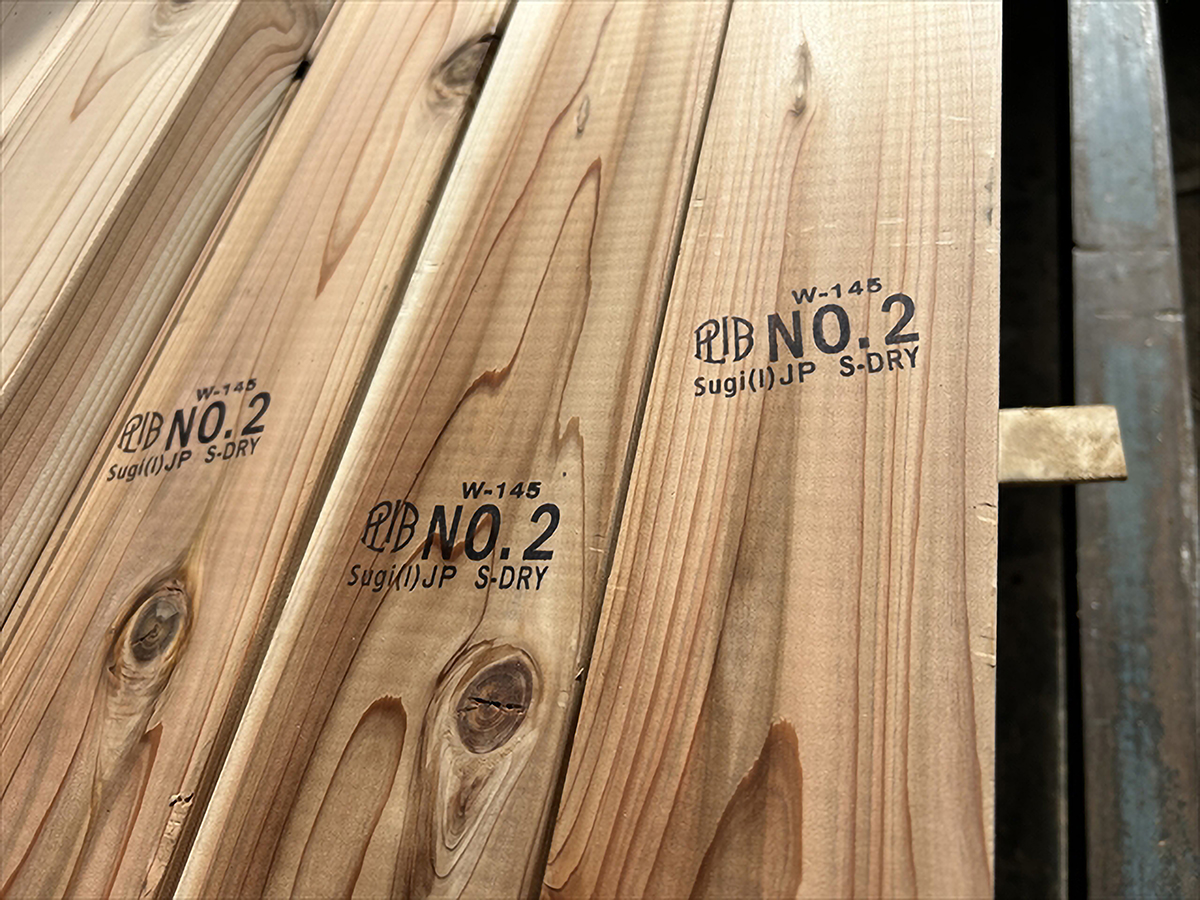
Sugi has generally the same design values as those of Norway spruce grown in Germany, and hinoki has generally the same design values as North American lumber sourced from spruce, pine and fir. Thanks to the design value approval, sugi has become a reliable new option for residential construction in the U.S. Already, sugi has earned a reputation as a fence material on a par with western red cedar, and its use is steadily increasing.
Japan’s forest resources are established on a solid foundation to ensure stable supply. About 25 million hectares, or about 70% of the country’s land area, is forested, and about 10 million ha of these are planted forests. Sugi trees account for about 4.4 million ha and hinoki trees about 2.6 million, and many of these trees are at the ideal age for logging. Forests that were planted to replace those harvested to meet increased industrial demand in the 1950s and 1960s are now ripe for utilization.
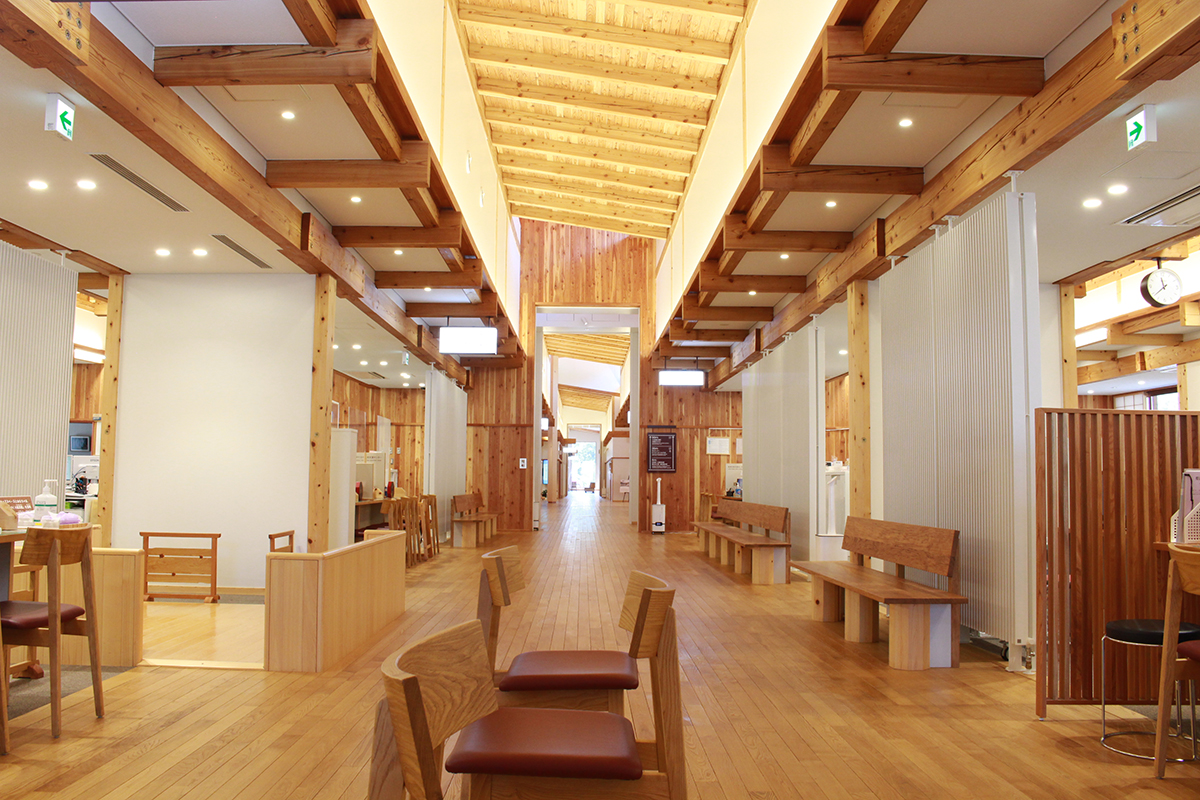
In Japan, sustainable forest management has been practiced for many years. A wide variety of initiatives support these practices, including the promotion of reforestation, forest monitoring using drones and the cultivation of tree varieties with superior growth characteristics. These efforts have also contributed to creating a system to meet the international demand for timber.
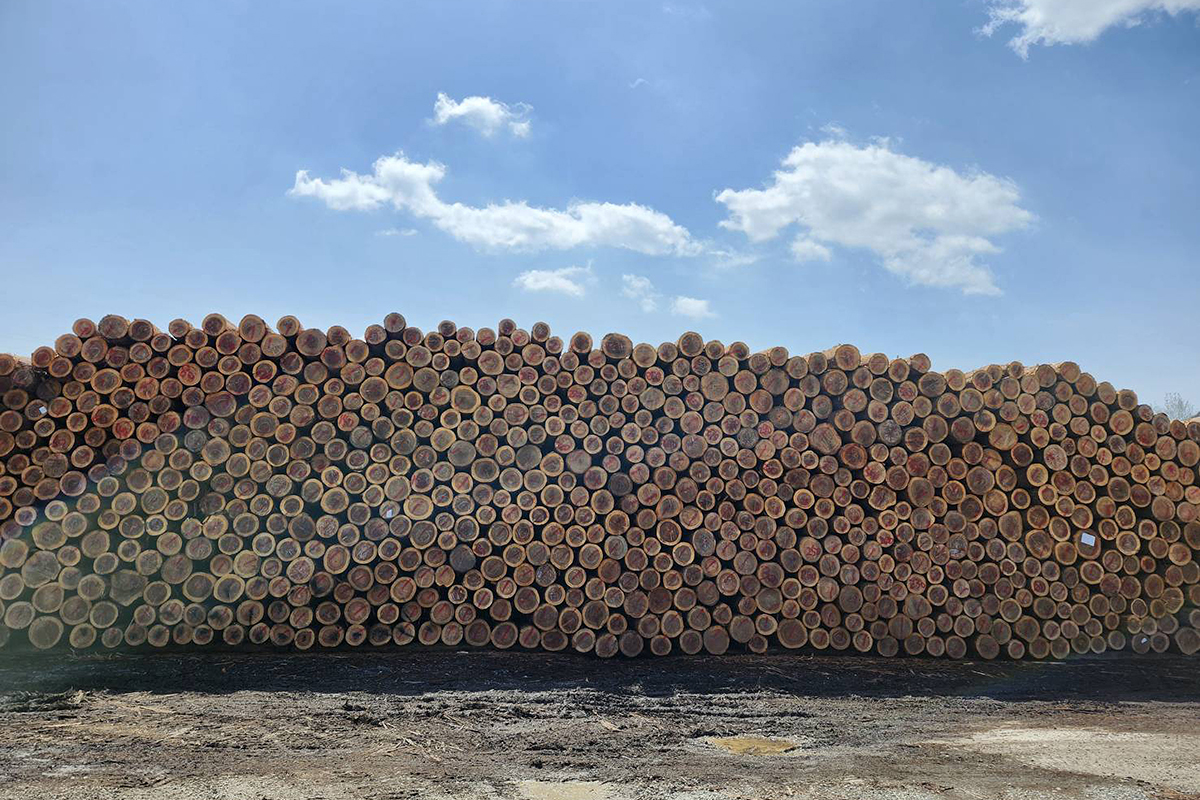
We plan to promote cedar fence materials at Fencetech in Indianapolis for three days from Feb. 4 and to showcase the appeal of Japanese timber at the International Builders’ Show to be held in Orlando for three days from Feb. 17 this year.
The presence of Japanese timber is increasing in the international market thanks to efforts to highlight its beautiful grain and the beauty of traditional Japanese architecture in which it is used. We will continue our efforts to ensure that people in the U.S. and other countries can use sustainable Japanese timber with confidence.
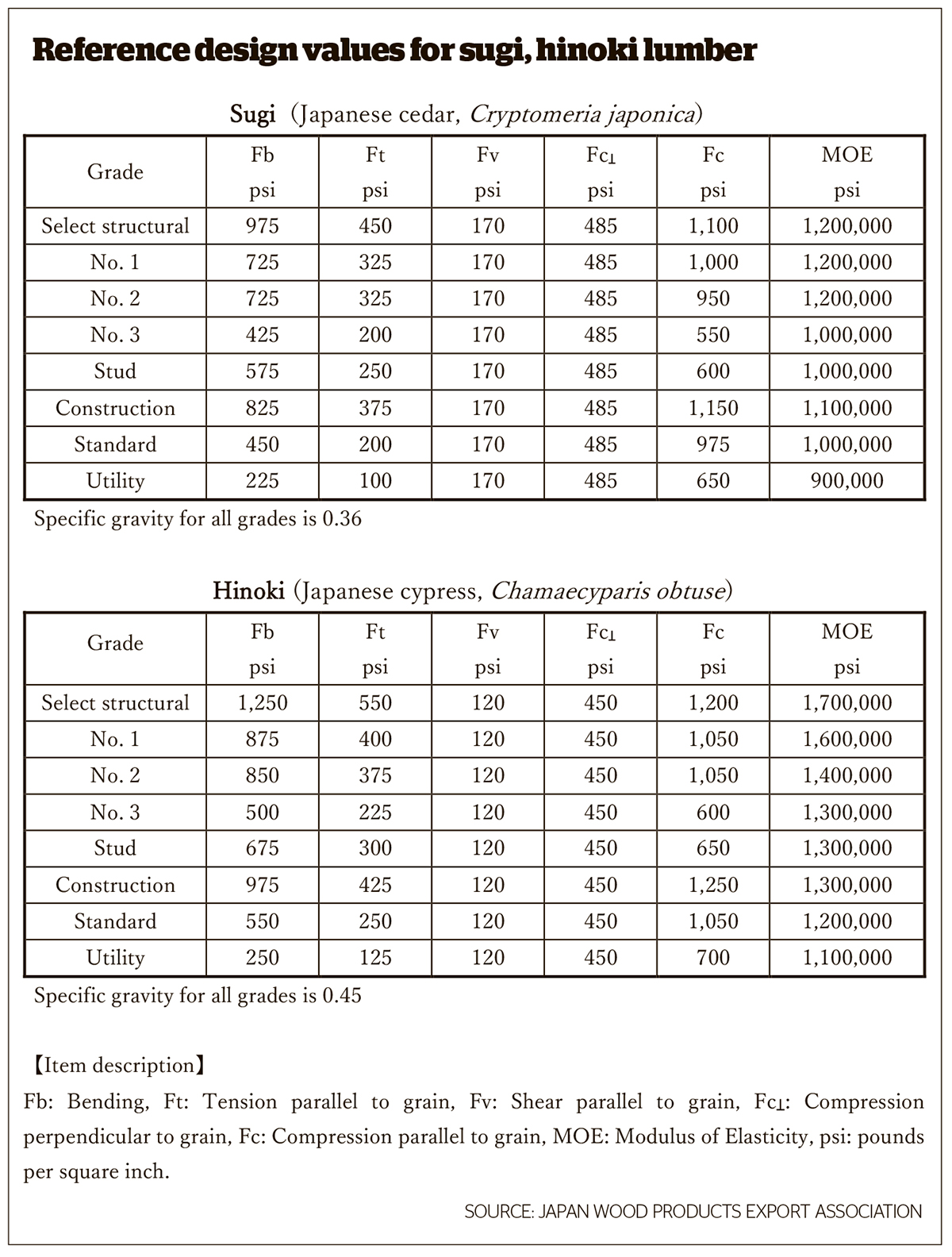
To check the design values of sugi and hinoki lumber by size, visit the Pacific Lumber Inspection Bureau website:


