


Uzbekistan President Shavkat Mirziyoyev will be on an official visit to Japan through Dec. 20 to take part in the inaugural leaders’ summit of the Central Asia plus Japan Dialogue.
As part of the visit, the president is scheduled to hold meetings with His Majesty Emperor Naruhito, Prime Minister Sanae Takaichi and Diet members, as well as the heads of Japan’s leading corporations.
The visit represents an important milestone in the long-standing partnership between the two nations, whose diplomatic relations, established on Jan. 26, 1992, have grown into comprehensive strategic cooperation across politics, the economy, culture and regional security.
Since Shavkat Mirziyoyev came to power, Uzbekistan has embarked on a comprehensive and ambitious reform agenda, advancing at an unprecedented pace. What followed was a true tsunami of change that reshaped the political, economic and social landscape of the country. Long-closed doors were opened wide, ending years of isolation and signaling Uzbekistan’s readiness to engage openly with the international community. Through bold policy shifts, renewed diplomacy and structural reforms, the country began building durable bridges of cooperation with nations, institutions and markets across every corner of the globe, firmly positioning itself as an emerging and proactive player on the world stage.
Over the past three decades, Uzbekistan and Japan have developed a dynamic, multitiered partnership grounded in mutual respect and shared strategic interests.
A decisive moment came during Mirziyoyev’s official visit to Japan in December 2019, which provided new impetus for large-scale economic, investment and humanitarian projects, and set a long-term vision for bilateral engagement.
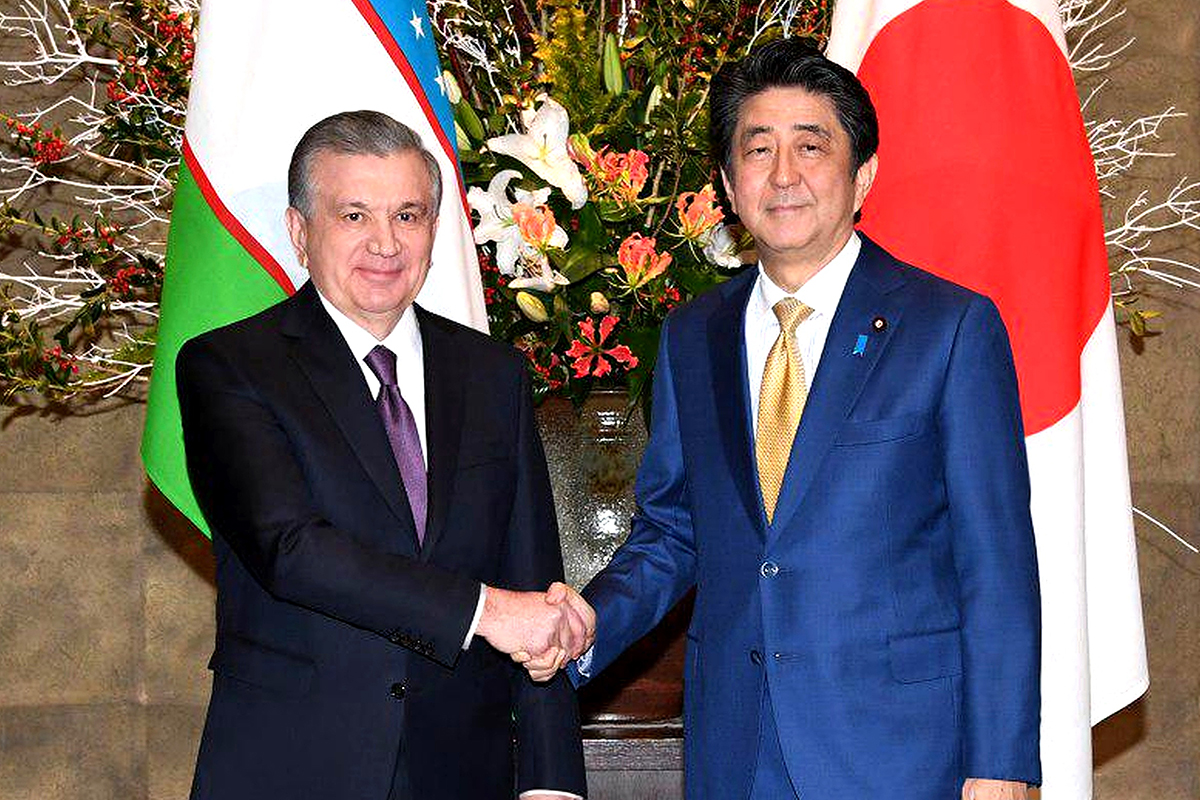
Political dialogue with Japan
Uzbekistan and Japan cooperate fruitfully on global issues and consistently support each other within international organizations. Uzbekistan has backed Japan’s candidacy to various U.N. bodies more than 40 times, while Japan has cosponsored several U.N. General Assembly resolutions initiated by Uzbekistan.
Parliamentary diplomacy forms another essential pillar of the partnership: Friendship groups operate within both parliaments, the Uzbekistan-Japan Inter-Parliamentary Forum meets regularly, and mutual visits and online consultations strengthen legislative cooperation.
Our foreign ministries maintain continuous dialogue. Since 2002, the two sides have held 19 rounds of political consultations. A landmark event was the first strategic dialogue between foreign ministers, held on Aug. 25 in Tashkent, that underscored the long-term and comprehensive character of the partnership. Honorary consuls of Uzbekistan in Japan also play a significant role in advancing political, economic and cultural initiatives.
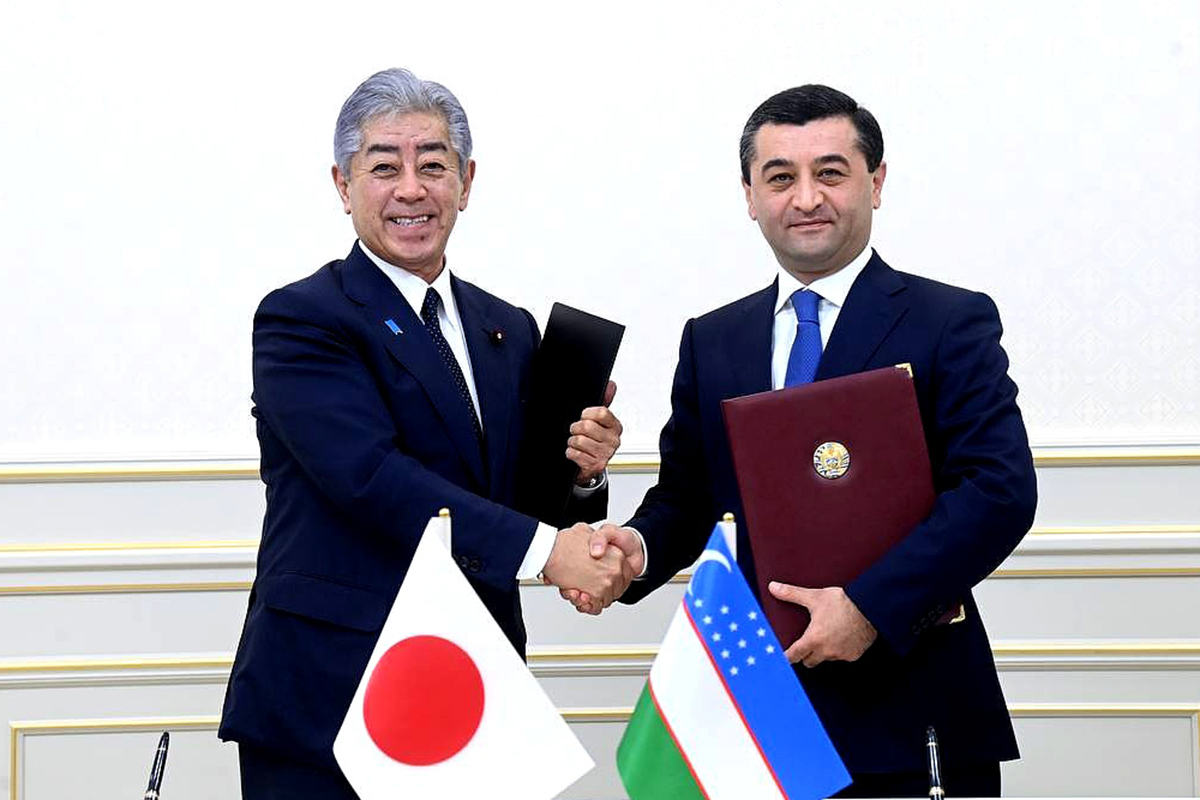
Growing economic ties
Economic cooperation between Uzbekistan and Japan continues to expand across key sectors, including in the industry, energy, infrastructure, transport, innovation, digitalization and green economy sectors. Trade is conducted under a most-favored-nation status, supporting stable growth in bilateral trade turnover.
Joint meetings of the Uzbekistan-Japan and Japan-Uzbekistan committees on economic cooperation serve as the primary coordination platforms for implementing bilateral economic projects. Nearly 120 joint ventures with Japanese capital currently operate in Uzbekistan, while 13 major Japanese companies maintain representative offices in the country, working in oil and gas, chemicals, engineering, logistics, education and tourism.
Japanese financial institutions play a crucial role in modernizing Uzbekistan’s economy. Notably, in January, Uzbekistan and the Japan International Cooperation Agency signed a $150 million loan agreement for the construction of the Republican Center for Neurology and Stroke — an important project aimed at improving national health care infrastructure.
Humanitarian, cultural bonds
Humanitarian and cultural ties represent one of the most heartfelt dimensions of our bilateral relationship. The Uzbekistan-Japan Friendship Society, the Fukushima-Uzbekistan Association and the Japan-Uzbekistan Association have been active for more than 20 years, promoting cultural dialogue and people-to-people exchanges.
In recent years, cultural events have become more vibrant. In April 2022, Tokyo hosted the event “Spirit of the Silk Road — Bridge of Friendship,� and in 2024 the Japanese ensemble Japanese Pearl earned third place at Uzbekistan’s famous Boysun Bahori festival.
Education remains one of the fastest-growing spheres of cooperation. More than 2,500 Uzbek students study Japanese language across seven universities in Uzbekistan. The Uzbek-Japanese Center for Human Resource Development operates actively while the Japan Development Scholarship program continues to expand. Joint projects are underway with leading Japanese schools, including the University of Tokyo, Nagoya University, Tsukuba University, Keio University and Toyohashi University of Technology.
To date, more than 400 Uzbek students have received JDS scholarships, and around 2,500 specialists have completed professional internships in Japan. Academic exchanges, faculty visits and rector forums add further depth to this cooperation.
Japan also contributes significantly to health care development in Uzbekistan. More than $60 million has been allocated for equipping medical institutions, training personnel and supplying vaccines. Over 100 Japanese volunteers have worked in Uzbekistan, while more than 200 Uzbek medical specialists have completed internships in Japan.
Interregional cooperation
Interregional diplomacy has gained increased importance. Sister-city partnerships have been established between Rishtan and Maizuru, Kyoto Prefecture; Tashkent and Nagoya; and the Samarkand Region and Nara Prefecture. Samarkand Days in Japan and various cultural events in Nagoya have become annual traditions.
Tourism cooperation continues to grow amid rising Japanese interest in Uzbekistan’s culture and history. Expanded air connectivity, active cultural promotion and improved tourism infrastructure have contributed to increasing visitor numbers. Uzbekistan’s Buddhist heritage sites — Kara-Tepe, Fayaz-Tepe, Dalverzin-Tepe and the temple complexes of ancient Termez — draw particular attention. These sites have become widely recognized thanks to the long-standing research of Japanese scholars.
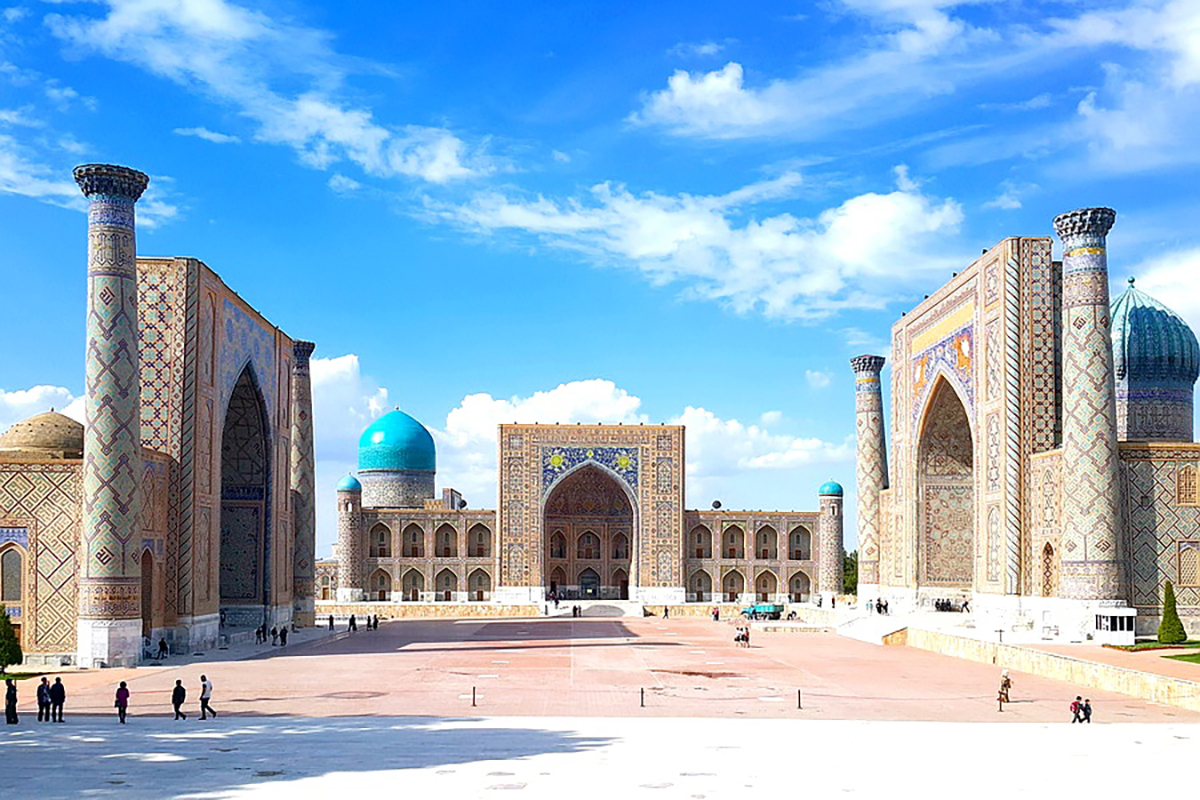
Uzbekistan’s participation at the Osaka Expo further strengthened cultural ties. The national pavilion, under the theme “Garden of Knowledge: Laboratory of the Future Society,� was awarded a gold medal and praised as one of the most impressive exhibits. The premiere of “Celestial Dance� as performed by the National Symphony Orchestra of Uzbekistan captivated Japanese audiences and highlighted the spirit of friendship between the two nations.
Regional vision
Mirziyoyev’s participation in the first leaders’ summit of the Central Asia plus Japan Dialogue reflects the growing importance of regional cooperation. The dialogue was proposed on Aug. 24, 2004, by then-Foreign Minister Yoriko Kawaguchi during her visit to Tashkent. Its goals include strengthening regional security, supporting reforms, promoting social development, enhancing intraregional ties and expanding cooperation with the international community.
Japan has become a stable partner in modernizing Central Asia’s infrastructure. Through JICA, the Japan Bank for International Cooperation and other institutions, Japan contributes to the development of transport corridors, logistics hubs, engineering facilities, airports and railways — projects that significantly enhance regional connectivity.
Japan also actively supports digital transformation in Central Asia. For Uzbekistan, which is rapidly developing its information technology ecosystem and technology parks, Japanese expertise plays a crucial role in training specialists and strengthening digital governance.
As the most populous country in Central Asia and a major regional transport hub, Uzbekistan plays a leading role in shaping the dialogue’s agenda and promoting its practical outcomes.
Future-oriented partnership
Over the past two decades, the Central Asia plus Japan Dialogue has proven to be an effective mechanism for long-term cooperation. Mirziyoyev’s visit to Japan is expected to deepen political dialogue, broaden economic and investment engagement and strengthen educational and scientific ties. These efforts reaffirm Uzbekistan’s commitment to regional integration and constructive international cooperation, signaling a new and promising chapter in Uzbekistan-Japan relations.


